Press Start to Mint: The Wild World of Streamer NFT Drops — Who Won, Who Got Wrecked, and What Actually Works

Photo: Ntvd, CC BY-SA 4.0, via Wikimedia Commons
Somewhere between the golden age of "just hit the subscribe button" and the current era of multi-revenue-stream content empire building, gaming streamers discovered NFTs. And honestly? The results have been about as chaotic as a Minecraft hardcore world invaded by griefers.
For every creator who successfully launched a Web3 project that genuinely rewarded their community, there are three more who fumbled the bag so spectacularly that their names became cautionary tales whispered in crypto Discord servers. The line between a legitimate creator-led NFT project and a soft rug pull is thinner than most fans realize — and knowing how to spot the difference could save you serious money.
So let's run the tape. What actually separates the wins from the wrecks in the streamer NFT space?
Why Streamers Are Irresistible to the NFT World
From a pure marketing standpoint, a gaming streamer with a loyal audience is basically a dream NFT launch vehicle. They've already done the hardest part of crypto adoption — building trust with a specific audience over years of consistent content. Their viewers know their voice, their values (or at least their vibe), and will often follow them into new projects out of genuine affection.
That pre-existing trust is worth millions in marketing spend. For Web3 projects looking to bootstrap a community fast, attaching a streamer's name to a launch is like strapping a rocket to the mint button.
The problem is that trust is also incredibly easy to weaponize. And the NFT space, bless its chaotic heart, has attracted plenty of people who are very good at converting fan loyalty into wallet-draining mint events.
The Anatomy of a Streamer NFT Win
Let's talk about what good looks like, because it does exist.
The most successful streamer-led NFT projects share a few structural qualities that separate them from the pack.
Long-term utility over hype. The launches that held value weren't just selling a JPEG — they were selling access. Exclusive Discord channels, early access to games, real-world merch, voting rights on content decisions. When holders felt like they owned a piece of something ongoing rather than a static collectible, engagement stayed high after mint day.
Transparent team and roadmap. The streamers who succeeded were ones who showed their work. They introduced the developers, the artists, the community managers. They published roadmaps with actual milestones and then — crucially — actually hit them. Novel concept, right?
Community-first launch mechanics. Successful projects prioritized their existing audience for whitelist access, kept mint prices accessible rather than extractive, and structured royalties in ways that rewarded long-term holders rather than just the creator's initial take.
One solid example of this model working: smaller gaming creators who launched collections tied to in-game assets for indie titles they were actively developing. These weren't moonshot promises — they were modest, achievable integrations that gave holders something real. The communities around these projects tend to be tight-knit and genuinely enthusiastic rather than mercenary flippers.
The Anatomy of a Streamer NFT Disaster
Okay, now for the part you're probably here for.
The failure patterns are almost embarrassingly predictable in hindsight, which makes it all the more painful that thousands of fans got burned by them.
The Hype-First, Substance-Never Launch. This is the classic. Big streamer announces an NFT drop, hypes it across their channels for weeks, mint sells out in minutes on the back of pure fan energy — and then the roadmap quietly stops being updated. The Discord goes silent. The creator moves on to their next thing. Holders are left with assets that are functionally worthless because the promised utility never materialized.
Third-Party Middlemen With No Accountability. A lot of streamers got burned (and burned their fans) not because they were malicious, but because they partnered with shady Web3 studios that handled the technical side. The streamer lent their face and fanbase; the studio handled the smart contracts and treasury. When the studio disappeared, so did the funds. The streamer took the reputational hit even if they were genuinely deceived.
Mint Prices Disconnected From Reality. Some launches priced their NFTs as if the streamer had Beeple-level name recognition. When the secondary market opened and floor prices immediately tanked below mint price, the community felt scammed — even if technically everything was above board. Managing price expectations is a legitimate part of running a good project.
Red Flags to Watch Before You Mint
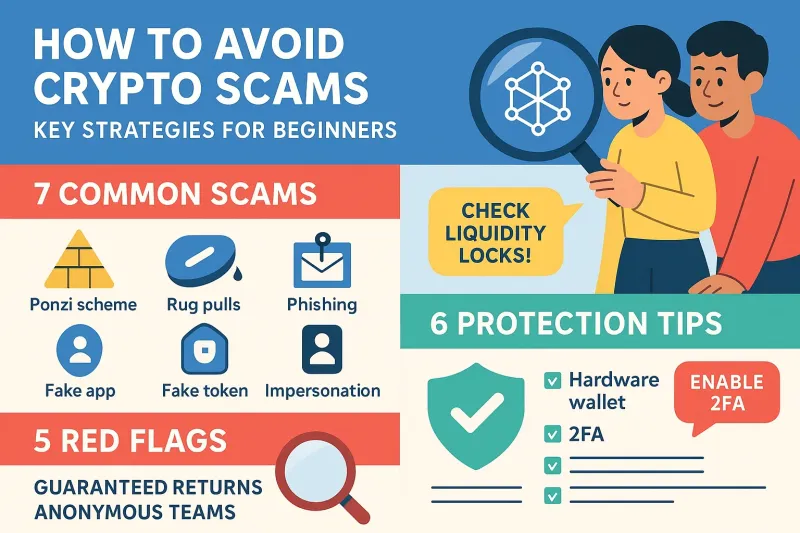
Whether you're a fan considering buying in or a streamer thinking about launching, here's a quick-and-dirty checklist for sniffing out a bad project:
- Anonymous team with no verifiable credentials. If you can't find out who's actually building this thing, that's a problem.
- Roadmap is all vibes, no specifics. "We'll build a metaverse" is not a roadmap. Dates, deliverables, and accountability mechanisms are roadmaps.
- The streamer can't answer basic questions about the project. If they don't know how the smart contract works, who audited it, or what happens to mint funds, they either don't know or don't care. Neither is good.
- Extreme FOMO mechanics. Countdown timers, artificially scarce whitelist spots, and "this is your only chance" messaging are manipulation tactics, not community building.
- No secondary market royalty structure that benefits holders. If 100% of ongoing royalties flow to the creator with no community treasury or holder benefits, that's a flag.
What Streamers Should Actually Do
If you're a content creator reading this and thinking about dipping into the NFT space — first of all, welcome to the chaos, we have memes. Second, here's the honest advice:
Don't launch an NFT because it's a revenue opportunity. Launch one because you have something genuine to offer your community that this format serves better than anything else. Token-gated access to ongoing content, fractional ownership of a project you're actually building, community governance over creative decisions — these are real use cases.
And if you're going to partner with a Web3 studio, do your due diligence like your reputation depends on it. Because it does.
Baby Pepe's Bottom Line
The intersection of gaming content and NFTs is genuinely exciting territory — but it's also a minefield that's already claimed a lot of reputations and a lot of wallets. The streamers who've navigated it successfully treated their communities like co-owners rather than customers. The ones who crashed did the opposite.
Before you mint anything with a streamer's face on it, ask yourself: does this person have skin in the game beyond the initial mint revenue? If the answer is yes, you might be looking at something real. If the answer is "I mean, their brand reputation, I guess," maybe keep your ETH in your pocket.
Game on. Just play smart.