Don't Get Rugged: Your No-BS Field Guide to Surviving the NFT Scam Jungle
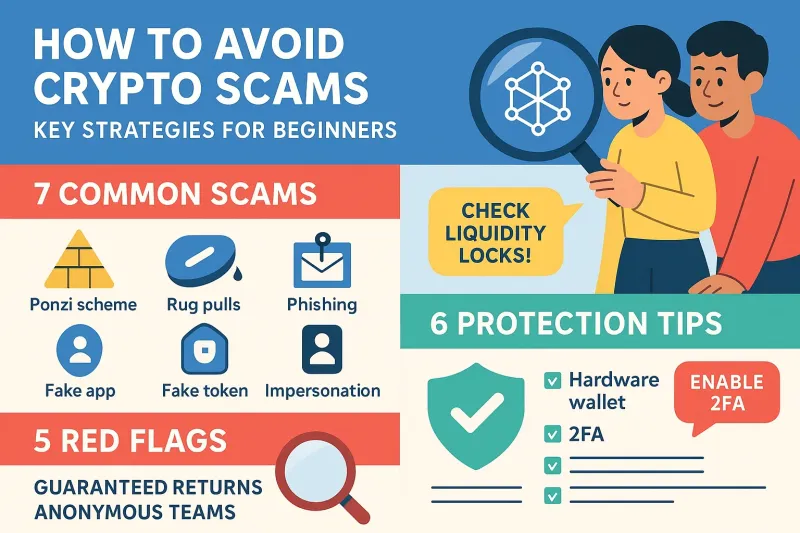
Photo: cryptocurrency scam warning red flags digital wallet security, via velog.velcdn.com
Let's be real for a second. At some point in every NFT collector's journey, there's a moment — usually around 2 a.m., Discord notifications pinging like a slot machine — where you think, this is the one. The art is fire, the roadmap is ambitious, the community is hyped, and the founder's Twitter bio says "serial entrepreneur." You mint. You wait. You refresh OpenSea. And then... nothing. The website goes dark. The Discord gets nuked. The dev wallet drains. You've been rugged.
Welcome to the club nobody wanted to join.
The NFT space has produced some genuinely life-changing wealth and some genuinely life-ruining losses. The difference between the two outcomes often comes down to a handful of overlooked red flags that, in hindsight, were blinking neon signs. This guide exists so you stop ignoring those signs.
What Even Is a Rug Pull, Really?
A rug pull happens when project creators abandon ship after collecting funds from buyers — usually by draining the treasury, killing the website, and going silent. It's the crypto equivalent of a contractor taking your deposit and ghosting. Some rug pulls are slow bleeds (the "soft rug"), where devs just stop delivering and let the project die. Others are instant catastrophes — a single transaction that empties the project wallet and leaves holders with worthless JPEGs.
The Frosties NFT project is a textbook case. In early 2022, its founders raised roughly $1.1 million in ETH before abandoning the project hours after mint. The U.S. Department of Justice eventually charged them, which was satisfying — but the holders still lost their money first. Justice doesn't unrug you.
Red Flag #1: Anonymous Everything With Zero Accountability
Anonymity in crypto isn't automatically suspicious — plenty of legitimate builders stay pseudonymous. But when every single person on a founding team is anonymous, there's no social contract tying them to the project. If things go sideways, there's no face, no name, no LinkedIn to screenshot and post in r/CryptoScams.
Look for projects where at least some team members are doxxed — meaning their real identities are publicly known and verifiable. Even better, look for founders who have a public track record: previous projects, conference appearances, or a history of shipped products. An anonymous dev who's been building in the space for three years with a verifiable on-chain history is very different from an anonymous dev who made their Twitter account four weeks ago.
Red Flag #2: The Roadmap Is a Vibe Board, Not a Plan
Every NFT project promises a metaverse, a token, a game, a merch collab, and a "real-world utility" that's never clearly defined. If the roadmap is just a list of hype buzzwords with no timelines, no technical specifics, and no accountability mechanisms, it's not a roadmap. It's a wish list.
Security researcher and Web3 skeptic community favorite @NFTethics (a composite of perspectives circulating in the space) puts it bluntly: "Ask yourself, what does this project actually build? Not promise. Not plan. Build. If the answer is 'vibes and community,' that's not a business. That's a Discord server with a mint price."
Strong projects publish specific milestones, update their communities when timelines shift, and have smart contracts that have been audited by reputable third-party firms. If a team can't point you to an audit, that's a problem.
Red Flag #3: Liquidity Locks? What Liquidity Locks?
For NFT projects with associated tokens or treasuries, always check whether funds are locked. Unlocked liquidity means a dev can drain the pool in a single transaction. Tools like Token Sniffer, De.Fi Scanner, and Etherscan's contract reader can show you whether funds are locked, who controls the wallet, and whether there are any suspicious mint functions baked into the contract.
Yes, this requires reading some blockchain data. Yes, it's slightly boring. Yes, it will save your wallet more than any Discord alpha ever will.
Red Flag #4: The Hype Is Manufactured
Fake follower counts, coordinated shill campaigns, and paid influencer pumps are the bread and butter of low-effort rug setups. If a project went from zero to 50,000 Twitter followers in a week, check the engagement rate. If the follower-to-engagement ratio looks like a ghost town, those followers were bought.
The same goes for Discord. A server with 30,000 members but only 40 people active in general chat is a red flag the size of a billboard on I-95. Real communities have messy, organic conversations — arguments about art, questions about the roadmap, people posting memes at weird hours. Fake communities feel like an empty restaurant with beautiful food photos in the window.
The Due Diligence Checklist (Save This, Seriously)
Before you mint anything, run through this list:
- Team verification: Are any founders doxxed? Do they have a verifiable history?
- Smart contract audit: Has a reputable firm reviewed the contract? Is the audit public?
- Wallet transparency: Can you see where mint funds are going? Are they locked?
- Community authenticity: Does the Discord feel real? Are conversations organic?
- Roadmap specificity: Are there actual deliverables with timelines, or just promises?
- Secondary market history: Does the project have real trading volume, or wash trading?
- Social media age: When were the project's accounts created? Anything under 60 days old deserves extra scrutiny.
Why Smart People Still Get Got
Here's the uncomfortable truth: experienced collectors get rugged too. Not because they're dumb, but because hype is a drug and FOMO is the delivery mechanism. When everyone in your circle is minting something, when the floor is pumping in real time, when a creator you respect is shilling it — your rational brain goes quiet. That's by design.
Scammers are students of human psychology. They manufacture urgency, build social proof, and exploit the tribal nature of online communities. The best protection isn't just a checklist — it's building the habit of pausing before you act. Sleep on it. Check it in the morning. If the opportunity is real, it'll still be there.
And if it isn't? Good. You didn't need it.
The Baby Pepe Club Bottom Line
The NFT space is genuinely exciting — the art, the community, the weird chaotic energy of watching culture get tokenized in real time. But it's also a space where bad actors thrive because enthusiasm outpaces skepticism. The collectors who build long-term wealth aren't the ones who mint everything. They're the ones who know when to say no.
Do your homework. Check the contract. Ask the dumb questions in Discord. And if the vibe feels off, trust that feeling — because your gut is often reading signals your hype-brain is trying to ignore.
Stay safe out there. Don't let the rugs win.