GG No Re: How Broke Streamers Are Flipping NFTs and Creator Coins Into Actual Bag Season
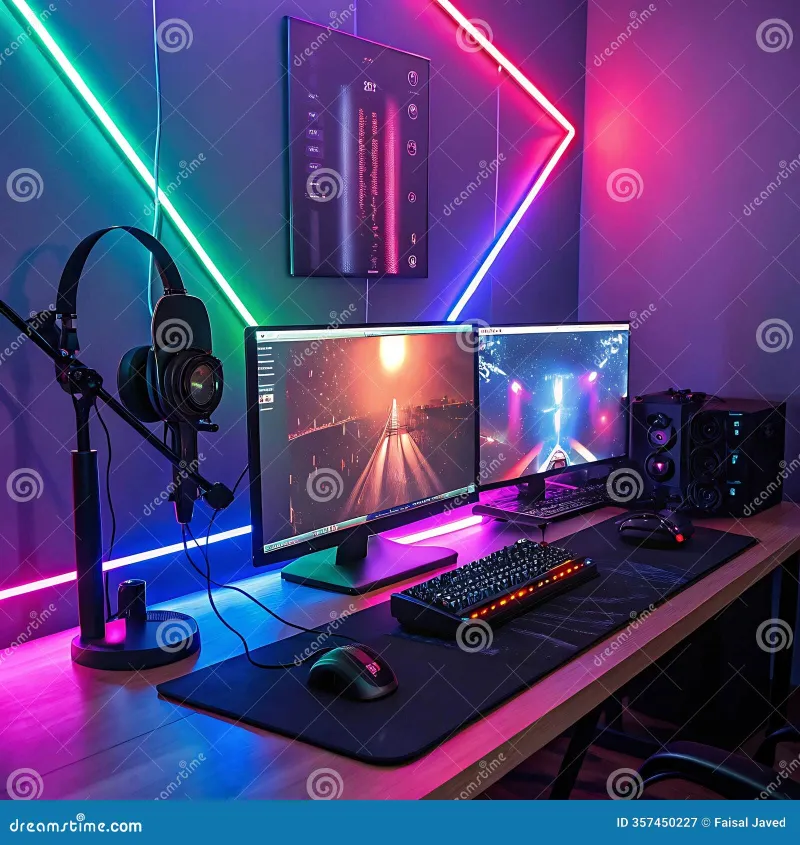
Photo: gaming streamer setup with neon lights cryptocurrency tokens on screen, via thumbs.dreamstime.com
Let's run the numbers real quick. A Twitch streamer averaging 500 concurrent viewers — which, by the way, puts them in roughly the top 1% of all streamers on the platform — might take home somewhere between $1,500 and $3,000 a month from subscriptions and ads. Before taxes. After Twitch takes its cut. If that sounds like a grind with a mediocre reward, that's because it absolutely is.
So when we started hearing about streamers pulling five figures from a single NFT drop, or building sustainable monthly income through creator coins with no platform middleman involved, we had to dig in. What we found is a genuinely fascinating economic experiment playing out in real time — and the players running it are mostly in their early twenties and extremely online.
The Platform Dependency Trap
Every gaming creator knows the fear. One algorithm change, one ban, one "we're adjusting our monetization policy" email, and years of audience-building can evaporate overnight. Twitch, YouTube, and even newer platforms hold enormous power over creator livelihoods, and the relationship has always been fundamentally unequal.
The Web3 monetization wave isn't just about making more money — it's about breaking that dependency entirely. When your revenue is tied to tokens your community holds, or NFTs your fans own, the platform becomes less relevant. You're not renting an audience from Twitch anymore. You're building an economy.
Creator Coins: Your Audience Bets on You
Creator coins — sometimes called social tokens — are fungible tokens tied to a specific creator's brand or community. Platforms like Rally (now wound down but influential), Friend.tech, and newer entrants in the space have let creators launch their own tokens that fans can buy, hold, and trade.
The mechanics vary, but the core idea is wild in the best way: your community members become financially invested in your success. If your channel blows up, the token's value can rise. If you rug your audience and ghost the internet, it tanks. It's parasocial relationship energy meets literal market dynamics.
We talked to Marcus, a 23-year-old FPS streamer based in Atlanta who launched a creator token last year. "I had like 800 regular viewers and I was making basically nothing," he told us. "After the token launch, my top 50 fans each bought in at different levels. Suddenly those 50 people were invested — like, financially invested — in me growing. They started clipping my content, sharing everywhere, recruiting new viewers. My concurrent viewership doubled in three months."
Marcus is careful to note it's not passive income — he had to deliver actual value to token holders, including exclusive Discord access, early merch drops, and a monthly community call. "You can't just launch a token and expect people to ape in for no reason," he says. "You have to actually build something worth holding."
NFT Drops: The High-Risk, High-Reward Play
If creator coins are the slow build, NFT drops are the speedrun. A well-executed NFT launch can generate significant revenue in hours — but the keyword there is well-executed, and plenty of streamers have fumbled this badly.
The NFT drops that actually work for gaming streamers tend to share a few characteristics. First, they're tied to something genuinely useful or exclusive — early game access, custom in-game cosmetics, lifetime community membership, or IRL event tickets. Second, they're priced accessibly for a fanbase that skews young and not necessarily crypto-wealthy. And third, the streamer actually shows up for their holders after the mint.
Jasmine, a 21-year-old variety streamer from Chicago who built her audience around retro gaming content, launched a 500-piece NFT collection last spring. "Each NFT was a different retro game character I drew myself," she explains. "Holders got a private Discord server, a vote on what games I play each month, and first access to my merch drops. I sold out in 48 hours and made more than I'd made in the previous six months of streaming combined."
She's also transparent about the work involved. "I spent two months building the community before I even announced the mint. People knew me, trusted me. If I'd just dropped it on strangers, it would've flopped."
Tokenized Communities: The Long Game
Beyond individual drops and coins, some streamers are building fully tokenized community structures — essentially micro-DAOs organized around their content and brand. Members hold governance tokens that let them vote on content direction, channel spending, and even which brand deals the creator accepts.
This sounds complicated because it kind of is, but the underlying logic is clean: you're converting your most loyal fans into co-owners. They have skin in the game. They want you to succeed because their stake succeeds with you.
For gaming communities specifically, this model has incredible potential. Imagine a streamer-run guild where the community collectively funds tournament entries, shares prize winnings proportionally, and votes on roster decisions. Some projects are already experimenting with exactly this structure, and the early results are genuinely interesting.
What Actually Works (And What Doesn't)
After talking to multiple creators in this space, a few patterns emerge clearly.
What works: Starting with a tight, engaged community before introducing any monetization layer. Being radically transparent about what holders actually get. Delivering on promises consistently. Treating your community like partners, not customers.
What doesn't work: Launching tokens or NFTs to a cold audience purely for quick cash. Overpromising utility and underdelivering. Treating Web3 tools as a get-rich-quick mechanism rather than a community infrastructure play.
The streamers thriving in this space aren't necessarily the biggest names. They're the ones who understood early that authentic community beats raw audience size every time. A thousand true believers who hold your token will outperform a million passive viewers who can't name your sponsors.
The Baby Pepe Take
The platform era of creator economics is aging out, and the community ownership era is loading in. It's not a clean transition — there's still a lot of chaos, a lot of failed projects, and a lot of creators who will get this wrong. But the direction is clear.
The streamers who figure out how to monetize without becoming hostages to a platform's algorithm are building something genuinely new. And for a generation of gamers who grew up watching their favorite creators get deplatformed, demonetized, and discarded, that matters a lot.
GG, no re, Twitch. The frens are building their own economy now.