Frog Economics 101: American Universities Are Grading Meme Culture Now, and the Syllabus Is Chaos
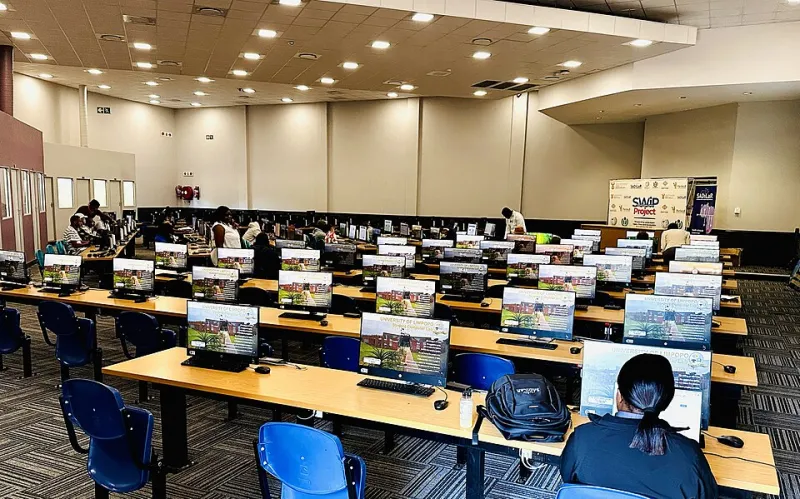
Photo: Nsuku Pius, CC BY 4.0, via Wikimedia Commons
Somewhere on a large state-school campus in the Midwest, a professor is writing 'dogecoin' on a whiteboard in a credited economics course. Two buildings over, a student is checking a memecoin chart under his desk during a lecture about — ironically — risk assessment. Higher education has officially discovered the frog economy, and neither side is entirely sure how they got here.
When Meme Culture Got a Course Code
It started innocently. A few business schools added blockchain electives around the last bull run, which made sense — distributed ledgers are legitimately interesting. But then the syllabi metastasized. Suddenly there were seminar discussions on NFT marketplace dynamics, case studies on the GameStop squeeze, and guest lectures from people whose primary credential is 'had a viral tweet in 2021.'
The students, meanwhile, didn't need an invitation. Crypto clubs at big public universities — think Big Ten country, big state schools, big lecture halls — routinely pull crowds that would make some departmental guest speakers nervous. These aren't just trading circles, either. They run mock portfolios, host vetting workshops, and occasionally debate whether Pepe constitutes a legitimate subject of cultural study. (The answer, per a surprisingly heated session at one Texas school: yes, and it's not close.)
Finals Week vs. Floor Price
Talk to student traders and you hear the same tension on repeat: the market does not respect the academic calendar. One senior we spoke with — econ major, self-described 'mid-tier degen' — described refreshing a wallet app between exam sections. 'The worst part is when a coin pumps during a final. You just sit there doing regression analysis while your portfolio does something way more interesting.'
Others have built genuine systems around it. Limit orders set before class. Notifications muted during labs. One grad student told us she schedules her trading reviews like office hours — same time every Sunday, no exceptions. 'It's the only way I don't become a person who checks charts during my own thesis defense,' she said.
The Professors Are Split, and It's Not Even Close to Boring
Faculty opinions on the frog economy land on a full spectrum. The enthusiasts argue that meme markets are a once-in-a-generation teaching tool: behavioral economics, network effects, and collective sentiment all wrapped in a package students actually care about. You can lecture about irrational exuberance from a textbook, or you can let students watch it happen in real time with stakes they understand.
The skeptics — and they're loud — worry that universities are laundering gambling into 'financial literacy.' One finance lecturer put it bluntly: 'Most of these students aren't learning investing. They're learning to buy lottery tickets with a nicer interface. If I teach anything, it's that they should assume most of it goes to zero.'
Both camps have a point, which is exactly why the classes keep filling up.
What's Actually Being Taught
Strip away the frog memes and the real curriculum is more useful than the brochure suggests:
- On-chain analysis — reading wallets, tracking flows, understanding liquidity
- Community dynamics — why some projects sustain momentum and others don't
- Risk management — position sizing, the psychology of selling, the math of ruin
- Digital IP and ownership — genuinely unresolved legal questions worth a semester
That's a respectable skill stack for a generation that will live entirely on the internet. The irony is that the frog — the silliest possible mascot — dragged serious financial education into rooms that traditional finance never reached.
Skip the Lecture, Keep the Lesson
Whether academia is legitimizing meme culture or just chasing its students' attention, the experiment is already running. The kids are trading, the professors are grading, and somewhere a department chair is trying to explain to the dean why the crypto club has better attendance than the accounting society.
The frog wins again. He always does. Feel free to frame that as your thesis statement — just cite your sources, fren.